
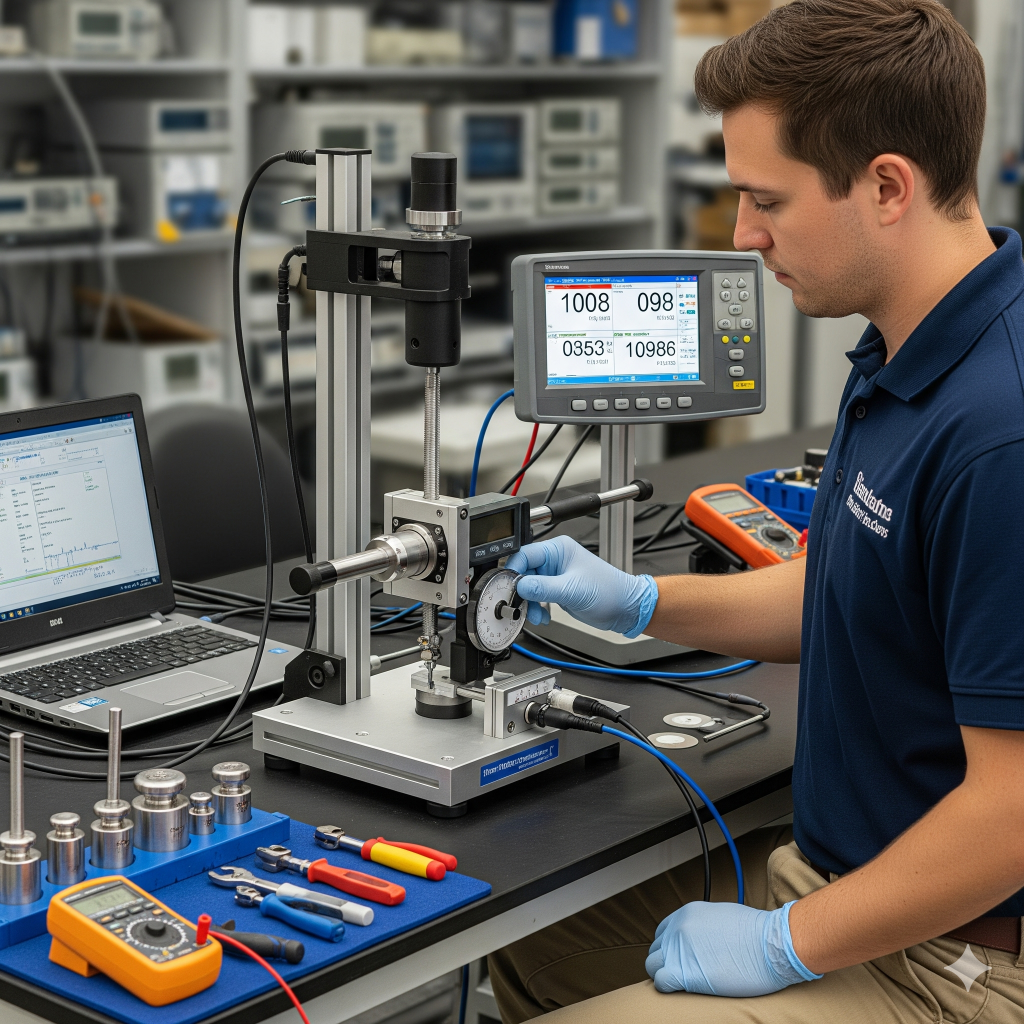
In the world of precision measurement, accuracy, traceability, and reliability are everything. Whether it’s manufacturing components for aerospace, testing pharmaceutical products, or calibrating pressure gauges, ensuring instruments perform correctly is critical. This is where ISO/IEC 17025:2017 comes in — the international standard for the competence of testing and calibration laboratories.
In this blog, we explore what ISO/IEC 17025:2017 means in the context of calibration, why it matters, and how it sets the benchmark for globally recognized quality and technical competence.
What is ISO/IEC 17025:2017?
ISO/IEC 17025:2017 is the latest version of the internationally accepted standard for laboratories performing testing and calibration. Issued by the International Organization for Standardization (ISO) and the International Electrotechnical Commission (IEC), it defines the general requirements for:
- Technical competence
- Impartiality
- Consistent operation of laboratories
The 2017 revision introduced significant updates, such as:
- A stronger focus on risk-based thinking
- Greater emphasis on process-based approaches
- Enhanced alignment with ISO 9001:2015
- Inclusion of information technology (e.g., electronic records, LIMS)
For calibration labs, ISO/IEC 17025:2017 is the gold standard that ensures measurement results are accurate, traceable, and internationally recognized.
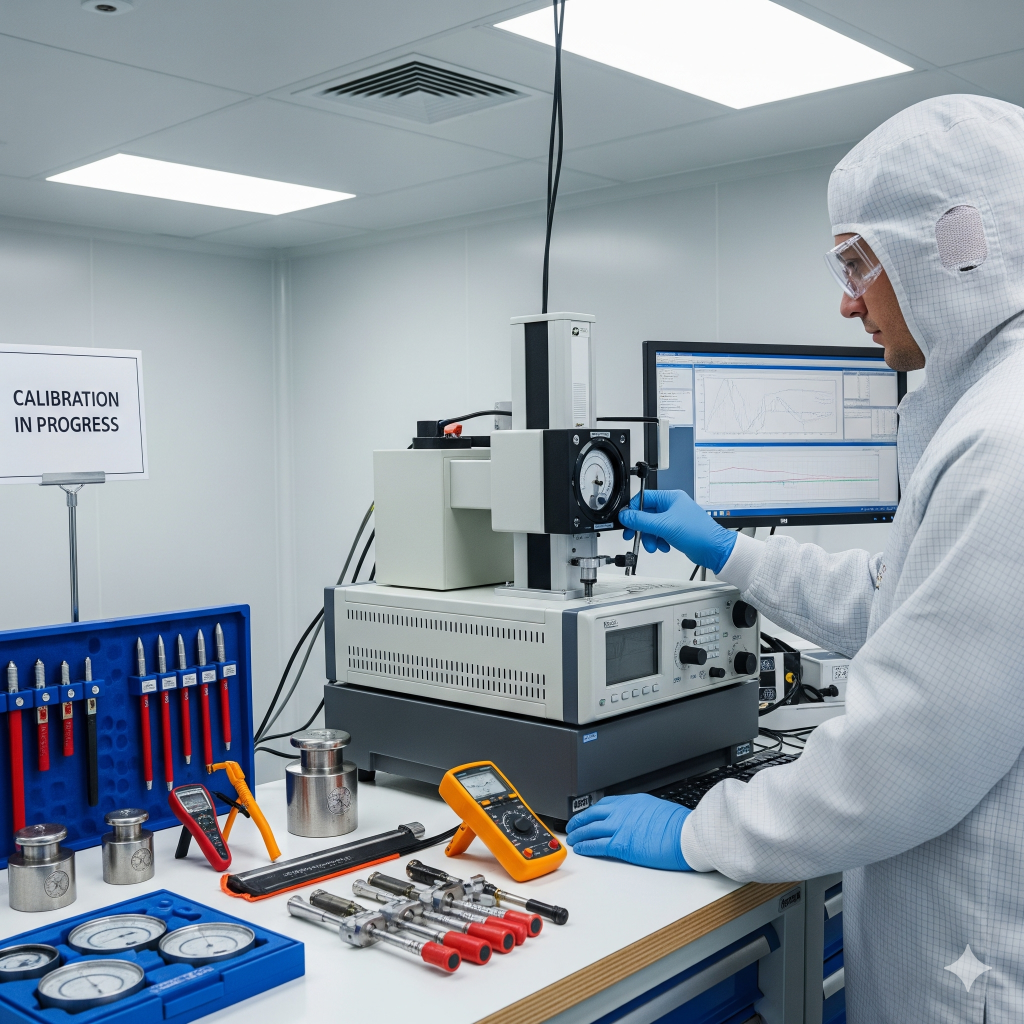
What Does ISO/IEC 17025:2017 Calibration Involve?
When a laboratory is ISO/IEC 17025:2017-accredited for calibration, it means the lab is technically competent to perform specific types of calibration in accordance with rigorous international standards.
Key components of ISO/IEC 17025:2017 calibration include:
1. Traceability to SI Units
All calibration must be traceable to the International System of Units (SI) through an unbroken chain of calibrations, each contributing to measurement uncertainty.
2. Measurement Uncertainty Evaluation
Every calibration report must include an estimate of measurement uncertainty, so users understand the range in which the true value lies.
3. Validated Methods and Procedures
Calibration procedures must be:
- Scientifically valid
- Documented
- Regularly reviewed and improved
4. Competence of Personnel
Technicians and engineers must demonstrate ongoing technical competence through training, proficiency testing, and internal assessments.
5. Control of Data and Records
Labs must manage calibration data securely, including backup systems, record retention policies, and data integrity protocols (especially for digital formats).
Benefits of ISO/IEC 17025:2017 Calibration
✅ Accuracy and Confidence
ISO 17025 calibration ensures the accuracy of instruments, reducing variability, and increasing confidence in results.
✅ Compliance with Regulatory Standards
Many industries (e.g., pharmaceuticals, food safety, aerospace) require ISO 17025-accredited calibration to meet regulatory or quality system requirements (e.g., FDA, ISO 9001, IATF 16949).
✅ Global Recognition
Thanks to mutual recognition arrangements (MRAs) between accreditation bodies (like ILAC), ISO/IEC 17025 certificates are recognized globally — facilitating trade and acceptance across borders.
✅ Improved Risk Management
By incorporating risk-based thinking, ISO/IEC 17025:2017 helps organizations proactively identify and mitigate risks in calibration processes.
✅ Competitive Advantage
Having ISO 17025:2017-accredited calibration can be a key differentiator in competitive industries, signaling technical excellence and commitment to quality.
Common Types of Calibration Under ISO/IEC 17025:2017
Labs accredited to ISO/IEC 17025:2017 can perform a wide range of calibrations, including:
- Electrical Calibration (multimeters, oscilloscopes, power supplies)
- Dimensional Calibration (calipers, micrometers, gauges)
- Temperature Calibration (RTDs, thermocouples, temperature chambers)
- Pressure Calibration (manometers, pressure sensors, gauges)
- Mass and Balance Calibration (analytical balances, weight sets)
- Flow Calibration, Force Calibration, and more
Always verify a lab’s scope of accreditation to ensure it covers the instruments and ranges relevant to your needs.
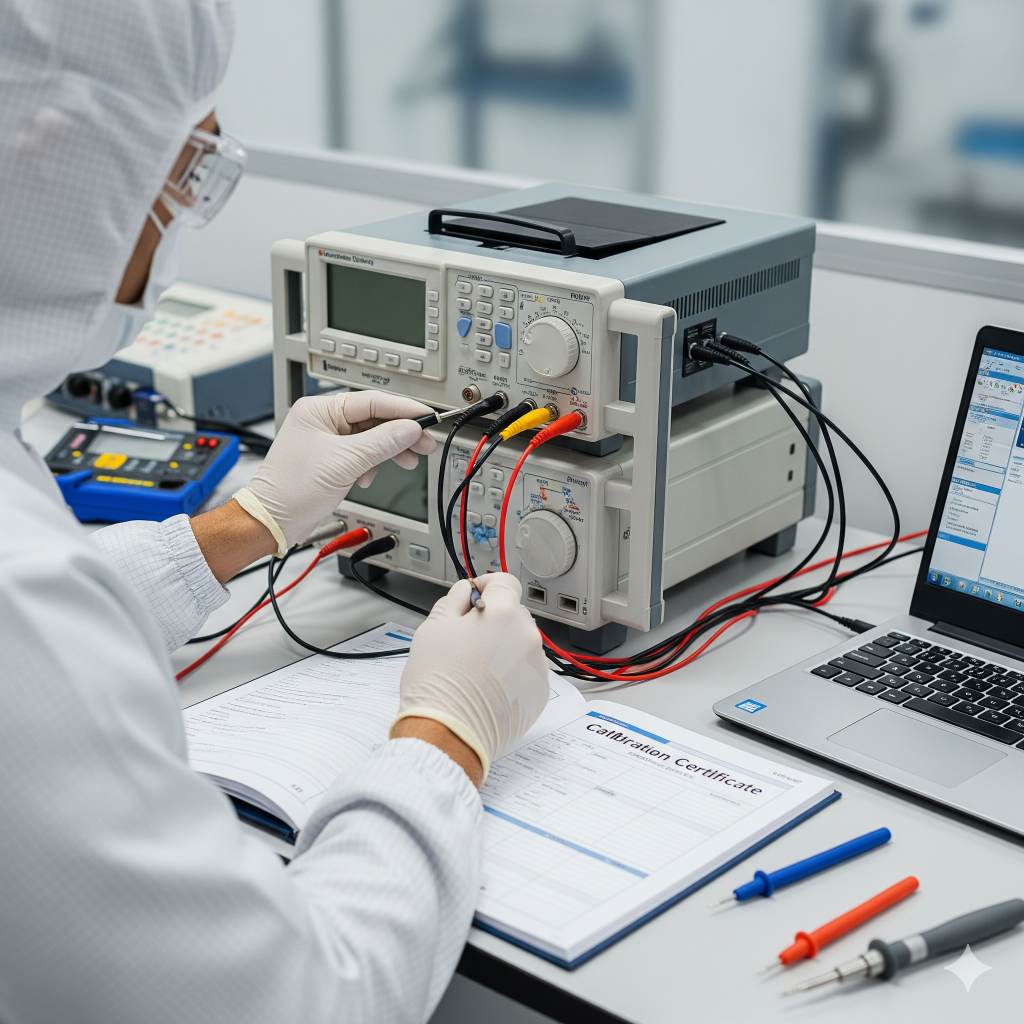
How to Choose an ISO/IEC 17025:2017 Accredited Calibration Lab?
When selecting a calibration provider, consider the following:
- Check Their Accreditation
Look for accreditation from a recognized body (e.g., A2LA, NVLAP, UKAS, DAkkS). You can find their scope online, which lists all accredited capabilities. - Review Their Scope of Calibration
Ensure the lab is accredited to calibrate your specific equipment or parameter range. - Evaluate Measurement Uncertainty
Compare uncertainty values across providers to ensure they meet your process tolerances. - Ask About Turnaround Time and Service Quality
A technically competent lab should also be able to deliver reliable support, reports, and consultation.
Final Thoughts
ISO/IEC 17025:2017 calibration isn’t just a formality — it’s a critical tool for ensuring data integrity, process control, and product quality. It enables industries to operate with precision and meet global standards, while reducing risk and ensuring confidence in every measurement.
If your organization relies on accurate data, working with an ISO 17025:2017-accredited calibration lab is not just a best practice — it’s a necessity.
Looking for ISO/IEC 17025:2017-Accredited Calibration Services?
At MechSure Engineering, we offer fully accredited calibration services with fast turnaround, competitive pricing, and industry-leading expertise. Contact us today to request a quote or learn more about our capabilities.